
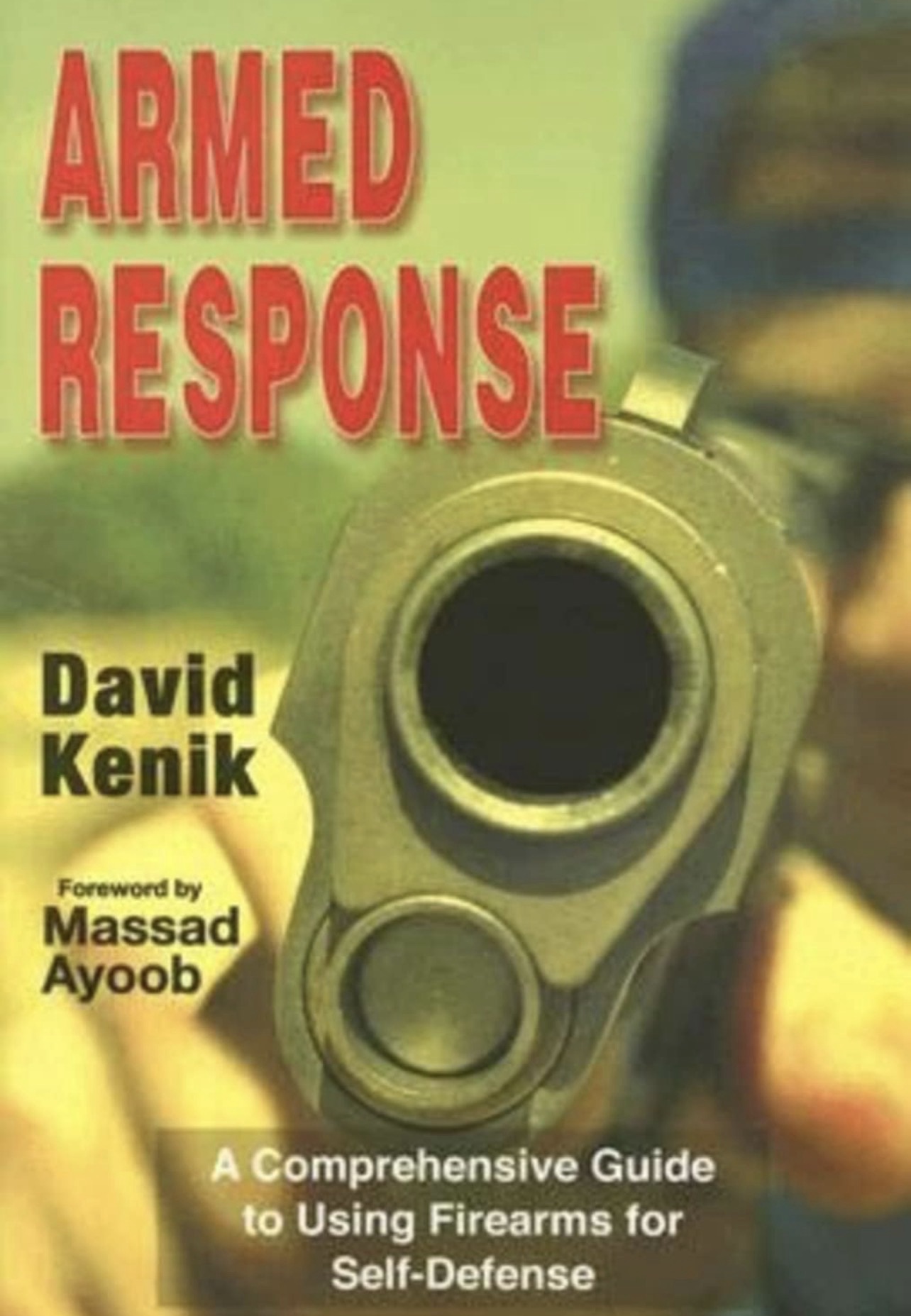
Armed Response by David Kenik serves as a foundational roadmap for the citizen who chooses to carry a firearm. The core 20% of the book, which provides 80% of the practical value, focuses on three pillars: the legal and psychological burden of lethal force, the necessity of realistic training, and the holistic preparation required for a life-threatening encounter.
High-Impact Takeaways
- The Legal Burden is Heavier than the Gun: Using lethal force is a legal nightmare. You aren’t just a combatant; you are a defendant from the moment the trigger is pulled.
- “Avoidance is the Best Tactical Advantage”: The best fight is the one you aren’t in. Kenik emphasizes situational awareness over combat prowess.
- Training Must be Reality-Based: Punching paper on a static range is not self-defense. If your training doesn’t include movement, stress, and decision-making, it is merely marksmanship, not “armed response.”
- Post-Shooting Reality: The physical act of shooting is the beginning, not the end. The psychological and legal aftermath can last decades.
- Equipment as a Tool, Not a Talisman: A high-end handgun does not grant immunity or skill. Competence is in the user, not the firearm.
Practical Implementation
- Scenario Planning: Regularly visualize “what-if” scenarios (e.g., leaving a grocery store at night) to improve your OODA loop (Observe-Orient-Decide-Act).
- Stress-Inoculation Training: Incorporate physical exertion (e.g., burpees or sprints) before shooting to simulate the elevated heart rate and respiratory distress of a real-world encounter.
- Legal Review: Know the specific self-defense laws in your jurisdiction—specifically the difference between Castle Doctrine, Stand Your Ground, and Duty to Retreat.
Leave a Reply